Community Activities
Art, music, sports, classes, events and other integrated activities.
Social Recreation
Individualized support for community participation, interests, and social connection.
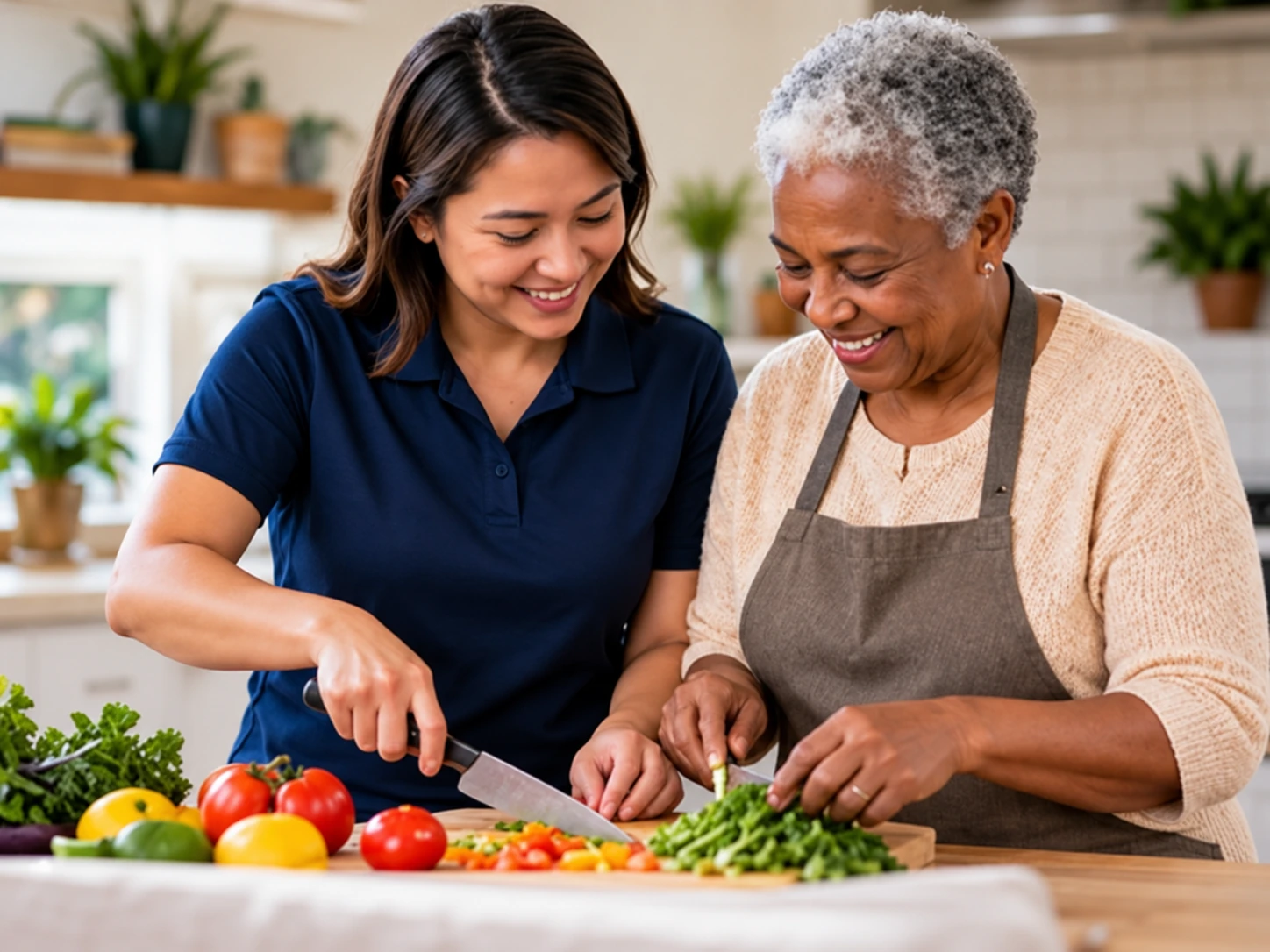
Art, music, sports, classes, events and other integrated activities.
Practice communication, participation, boundaries and decision-making.
Activities should reflect the individual’s interests, age, goals, and IPP.
Social Recreation can support person-centered participation in activities that match the individual’s interests, age, communication needs, goals, and authorized plan.
The goal is more than simply going out. Support can help build confidence, social connection, communication, decision-making, and comfort participating in the community.
Participating in appropriate sports, recreation, fitness, or group activities based on interest and authorization.
Art, music, library programs, classes, clubs, and other activities that reflect the person’s interests.
Local events, museums, parks, community gatherings, or other inclusive experiences.
Practicing communication, boundaries, decision-making, and participation in real-world settings.
Depending on the Regional Center, service model, and authorization, a qualified family member, friend, or other trusted person may be able to provide Social Recreation support after completing required onboarding and training.
Activities should align with the person’s interests and authorized goals. The Regional Center and IPP process determine whether Social Recreation is authorized and the approved amount or hours.
Social Recreation is person-centered support for participating in community activities, interests, and social experiences while working toward authorized social, community-participation, or confidence-building goals.
Examples may include sports, hobbies, classes, parks, community events, museums, clubs, or other age-appropriate activities that reflect the individual’s interests and authorized goals.
Activities should be selected around the individual’s preferences, age, goals, communication needs, and IPP. The service should remain person-centered rather than provider-directed.
Depending on Regional Center requirements and the authorized service model, a qualified family member, friend, or trusted person may be able to provide support after completing required screening, training, and onboarding.
Potentially, if the caregiver meets the requirements for each separately authorized service. Each service must follow its own authorization and program requirements.
No. Transportation is not automatically included. Any transportation-related support must be specifically permitted or authorized under the applicable program and Selora Care policy.
Learn how Regional Centers coordinate services and supports through person-centered planning.
Learn how goals and supports are identified through the IPP process.